
Project Overview
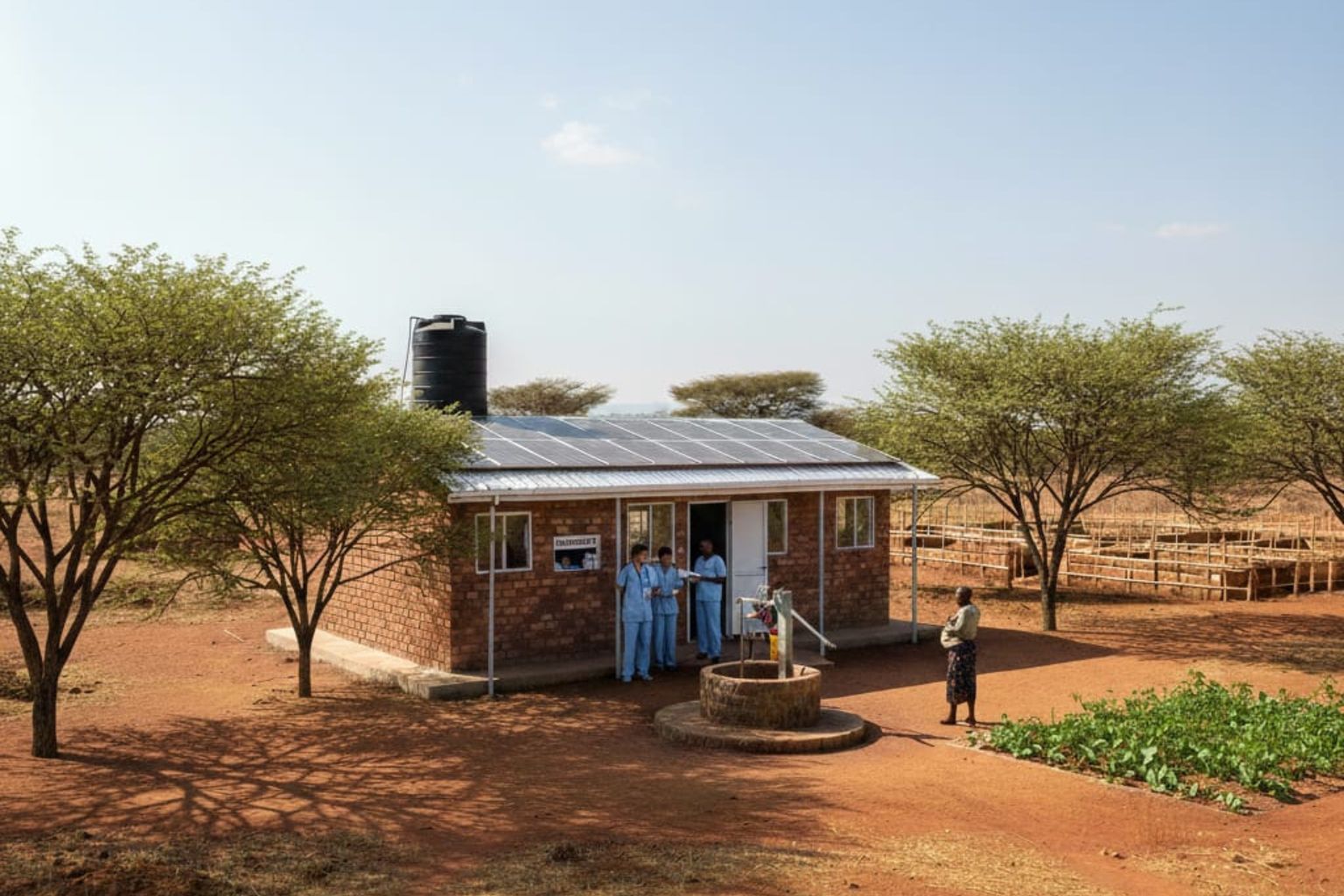
This project proposes the construction and operation of a small, purpose-built maternity and basic medical facility to support women and newborns in a remote rural area of Kenya. The facility is designed to be operated by two qualified nurses and will provide safe space for low-risk deliveries, antenatal checks, short postnatal observation, and basic medicine dispensing. The project prioritises practicality, resilience, and sustainability in a remote context.
Facility Overview
- Building size: 10 metres x 3.5 metres (35 square metres)
• Single-storey structure
• Designed for low-risk deliveries and stabilisation prior to referral
• Integrated water storage and solar power resilience
• Minimal but safe medical equipment suitable for rural deployment
Internal Layout Summary
- Delivery / procedure area (curtained)
• Observation area with two ward beds
• Nurse workstation and medicine dispensing counter
• Handwash and small utility area
• External or nearby toilet provision (recommended)
Medical Equipment & Furniture
Beds:
• 1 x Maternity delivery bed
• 2 x Ward beds with mattresses
Core Equipment:
• Oxygen concentrator
• Suction machine
• Newborn resuscitation kit
• Fetal doppler
• Blood pressure machines and stethoscopes
• Pulse oximeter
• IV stands and basic instrument sets
• Sterilisation solution (small autoclave or sterile packs)
• Waste segregation bins and sharps containers
• Lockable medicine cabinet and shelving
Medicines & Consumables (Starter Stock)
- Obstetric medicines (uterotonics, magnesium sulphate where applicable)
• Antibiotics for common infections
• IV fluids and consumables
• Sutures, gloves, gauze, disinfectants
• Pregnancy tests and urine dipsticks
• Maternity pads and clean delivery kits
Water Storage System
The facility will include a dedicated water storage system to ensure continuous availability of clean water for hand hygiene and deliveries. This includes:
• 5,000-litre elevated water tank
• Rainwater harvesting from roof
• Plumbing to clinical sinks
• Basic filtration
Power Resilience (Solar)
A solar power system will provide reliable electricity for lighting and essential medical equipment:
• 1.5–2.0 kW solar array
• 5 kWh lithium battery
• Inverter and charge controller
• Critical-load wiring for lights and sockets
Optional: small petrol generator for extended low-sun periods
This project delivers a realistic, life-saving facility aligned with the realities of a remote rural setting. It avoids overbuilding while ensuring dignity, safety, and resilience for mothers and newborns. The proposed budget and scope are appropriate for donor funding, phased delivery, and long-term sustainability.
Some other information:
Cost Breakdown (Kenyan Shillings & GBP)
Building Construction (35 m²)
• KSh 2,050,000 | £11,850
(reflect inflation in materials, labour, and local logistics)
Beds & Medical Equipment
• KSh 1,350,000 | £7,800
(Allowance for quality upgrades, transport, and installation)
Medicines & Consumables
• KSh 480,000 | £2,775
(Expanded initial stock and buffer supply)
Water Storage System
• KSh 420,000 | £2,425
(Includes fittings, base works, and installation margin)
Solar Power System
• KSh 850,000 | £4,915
(Improved capacity, batteries, and wiring contingency)
Design, Drawings & Setup
• KSh 300,000 | £1,735
(Professional drawings, approvals, mobilisation)
Project Administration & Management
• KSh 520,000 | £3,000
(Local coordination, procurement oversight, reporting, finance, and compliance)
Contingency (Approx. 10%)
• KSh 600,000 | £3,500
(Covers currency fluctuation, price rises, and unforeseen site costs)
TOTAL PROJECT COST: KSh 6,570,000 | £35,000
Project Timeline
Month 1:
• Final design and approvals
• Procurement planning
Months 2–3:
• Construction of building
• Installation of water and solar systems
Month 4:
• Installation of beds and equipment
• Stocking of medicines
Month 5:
• Nurse orientation and setup
• Facility commissioning and opening