
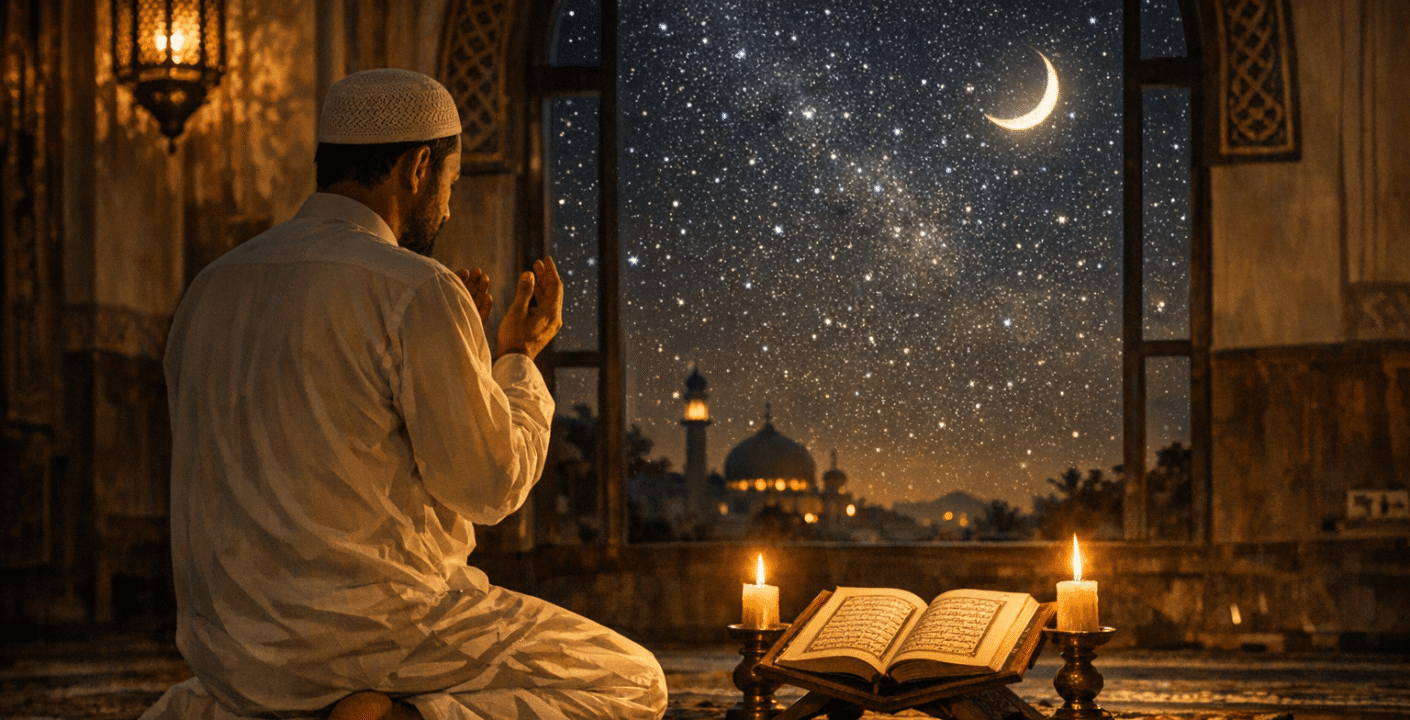
The Importance of the Final Ten Nights in Ramadan
The final ten nights of Ramadan hold a special place in the Islamic calendar due to their heightened spiritual significance. These nights mark a period when Muslims increase their devotion and focus on their relationship with God. Unlike other nights in Ramadan, the last ten are considered more blessed because they provide a concentrated opportunity for worship and reflection before the month concludes. This is a time when many seek to attain greater spiritual rewards and prepare themselves for the year ahead.
During these nights, the atmosphere of worship intensifies, encouraging believers to strengthen their prayers, recitation of the Quran, and good deeds. This heightened focus is rooted in the desire to benefit fully from the mercy and forgiveness granted during this period.
Understanding Laylatul Qadr: The Night of Power
Laylatul Qadr, often translated as the Night of Power or the Night of Decree, is regarded as the holiest night within the final ten nights of Ramadan. Its exact timing is not specified but is believed to occur on one of the odd-numbered nights within this period, such as the 21st, 23rd, 25th, 27th, or 29th night.
This night commemorates the initial revelation of the Quran to Prophet Muhammad (Peace Be Upon Him), marking it as a momentous event in Islamic history. According to the Quran, Laylatul Qadr is “better than a thousand months,” reflecting the immense value of worship and supplication performed on this night. The significance lies in the profound spiritual rewards and the belief that deeds carried out are multiplied far beyond the usual.
Moreover, it is said that on Laylatul Qadr, God’s mercy is abundant, and the destinies for the coming year are decreed. The Prophet Muhammad (Peace Be Upon Him) advised believers to seek out this night during the final ten nights of Ramadan, particularly on the odd nights, to maximise their chances of experiencing its blessings.
Key Practices: Increasing Prayer and Worship
The final ten nights encourage believers to increase their acts of worship, with particular emphasis on night prayers (Qiyam al-Layl or Tahajjud) and recitation of the Quran. These practices are ways to deepen one’s connection with God and to seek forgiveness and guidance.
Night prayers during this period are often extended beyond the usual daily prayers, lasting into the early hours before dawn. This time of quiet reflection is an opportunity for sincere supplication and spiritual renewal. Many also devote more time to Quranic recitation, seeking to understand and absorb its teachings more fully.
Additional recommended acts include dhikr (remembrance of God), making heartfelt dua (supplication), and performing voluntary fasts or charitable acts. Engaging in these worship forms during the last ten nights is seen as particularly rewarding given the increased blessings associated with this period.
Encouraging Giving and Seeking Forgiveness
Charity holds a central place in the final ten nights of Ramadan. Giving to those in need is a practical expression of faith and compassion, which is especially significant during this sacred time. Acts of giving are believed to multiply in spiritual value and reinforce the principles of community and care encouraged by the faith.
Alongside increased generosity, sincere repentance and seeking forgiveness form a vital part of this period. The final ten nights provide a dedicated opportunity to reflect on past actions and seek God’s mercy. This process of turning towards forgiveness is key to spiritual growth and renewal.
Both charity and repentance complement the increased worship practised during these nights. Together, they create a holistic approach to spiritual development that honours the significance of the final ten nights and maximises the benefits they offer.