Understanding Fidyah: Definition and Purpose
Fidyah is a concept in Islam that refers to a form of charitable compensation given by those who are unable to fast during Ramadan due to legitimate reasons, such as chronic illness or advanced age. Rather than fasting, individuals pay fidyah as a way to support those in need, ensuring that the spirit of Ramadan’s fasting obligation is maintained through acts of kindness and generosity.
The primary purpose of fidyah is to provide meals for the poor who may otherwise struggle to afford sufficient food. It serves as a practical alternative for Muslims who cannot fast, allowing them to fulfil their religious duties while contributing positively to their communities. This practice aligns with the broader Islamic principles of compassion and social welfare, which Prophet Muhammad (Peace Be Upon Him) emphasised throughout his teachings.
Who Needs to Pay Fidyah?
Fidyah applies specifically to Muslims who are exempt from fasting during Ramadan due to certain valid reasons but cannot make up the missed fasts at a later time. The key groups that need to pay fidyah include:
- People with chronic illness: Those suffering from long-term health conditions that make fasting harmful or impossible.
- Elderly individuals: Older people whose physical condition does not permit fasting and who are unlikely to recover or compensate for missed fasts in the future.
- Other valid reasons: This may include permanent disability or pregnancy complications where fasting poses a continuous risk.
Those able to fast but who miss a fast for temporary reasons, such as travel or short-term illness, are expected to make up the missed days later and are not required to pay fidyah unless making up the fasts is not possible.
How Fidyah Is Calculated
The calculation of fidyah is quite straightforward. It is based on the cost to provide one meal to a poor person for each day of fasting missed. The amount varies slightly depending on local food prices but is generally set by Islamic authorities and charities.
For instance, in 2026, the fidyah rate is approximately $5 (or the equivalent in local currency) per missed day. This means that if someone misses the entire month of Ramadan, which is usually 30 days, they would pay fidyah for all those days. The total amount is calculated as:
Number of missed fasting days × cost per meal
This amount is intended to cover the cost of nourishing a person for one day, ensuring that the fidyah payment is both fair and meaningful in supporting the needy.
How Fidyah Supports the Poor
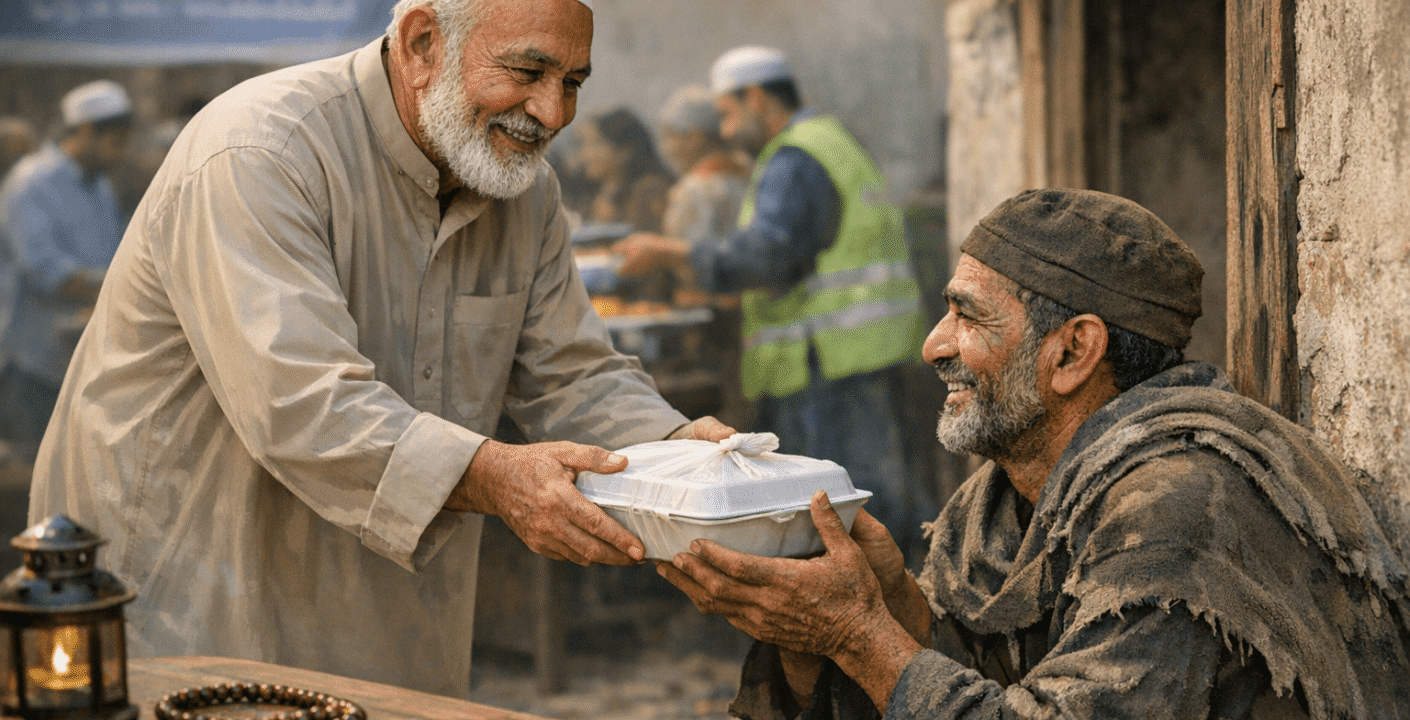
Fidyah payments directly contribute to feeding people who are struggling with poverty and food insecurity. Charitable organisations collect these donations and distribute them as meals or food parcels to vulnerable individuals and families.
The distribution of fidyah helps fulfil one of the core objectives of Ramadan—promoting empathy and care for those less fortunate. By transforming missed fasts into tangible aid, fidyah ensures that the community as a whole benefits and that those unable to fast due to health or age still participate in the spirit of giving.
Furthermore, the recipients of fidyah are typically among those entitled to zakat, the obligatory almsgiving in Islam, reinforcing the interconnected framework of charitable support within the faith.
These efforts contribute to reducing hunger and improving well-being in communities, offering practical assistance while honouring religious obligations.