
Understanding the Connection Between Fasting and Empathy
Fasting during Ramadan involves abstaining from food and drink from dawn until sunset. This practice is far more than a physical act; it is designed to cultivate empathy by allowing individuals to experience hunger firsthand. Feeling the pangs of hunger each day encourages a deeper awareness of the challenges faced by those who endure food insecurity regularly.
This personal experience of hunger helps foster compassion and a sense of solidarity with those who suffer from poverty and deprivation. Such empathy is a motivating factor behind the charitable acts that many undertake during Ramadan, reinforcing a commitment to support others.
The Spiritual and Social Importance of Feeding the Hungry in Ramadan
In Islamic teaching, feeding those who are hungry during Ramadan carries profound spiritual significance. The Prophet Muhammad (Peace Be Upon Him) emphasized the merit of providing food for others to break their fast, explaining that those who do so share in the fasting person’s reward without reducing their own. This act is considered an expression of worship and a means of seeking God’s pleasure.
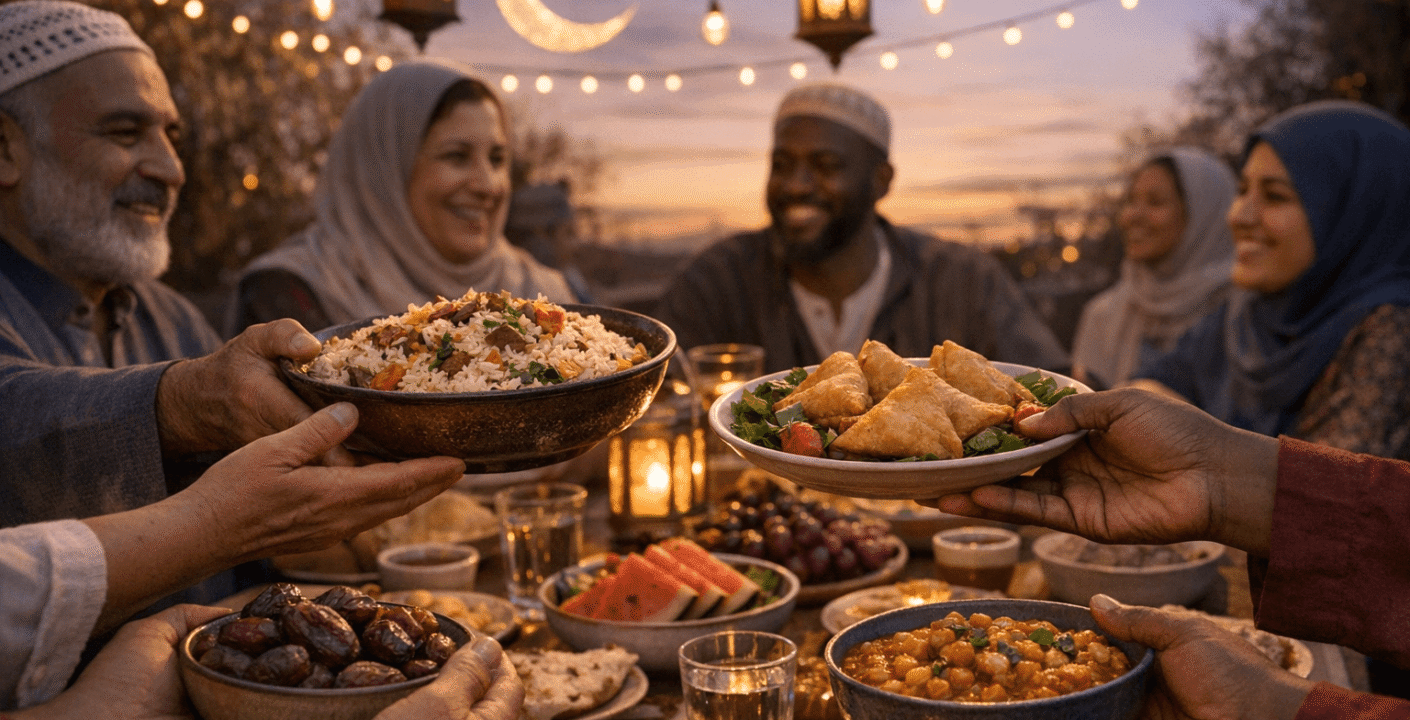
Beyond spiritual benefits, sharing food strengthens community bonds. Breaking fast together cultivates mutual care and reinforces social cohesion. It reminds people of their interconnectedness and encourages generosity, hospitality, and kindness during a period marked by reflection and renewal.
Food Distribution Programs: Practical Ways to Support Those in Need
Food distribution initiatives play a crucial role in feeding the hungry, particularly during Ramadan when the need for sustenance is highlighted by fasting practices. Many charities and community organisations arrange food parcel deliveries, communal iftars, and meal provision for vulnerable groups.
Individuals can support these efforts in several ways, including volunteering, donating food or funds, or helping to raise awareness of local projects. Such programmes often ensure that the recipients receive nutritious, culturally appropriate food to break their fast in a dignified manner.
Engaging with these programmes provides practical assistance to those facing hardship and helps maintain the spirit of Ramadan beyond personal practice into collective action.
The Lasting Impact of Acts of Charity Beyond Ramadan
The generosity shown by feeding the hungry during Ramadan often extends beyond the month itself, nurturing a culture of ongoing charity and gratitude. Acts of kindness during this time encourage individuals and communities to maintain a focus on social welfare throughout the year.
This spirit of giving can help reduce food poverty in the long term by raising awareness of the issues and inspiring sustained support for vulnerable populations. Moreover, the mutual respect and bonds formed through charitable acts strengthen social fabric and promote a more caring society.