
Challenges of Accessing Maternal Healthcare in Rural Kenya
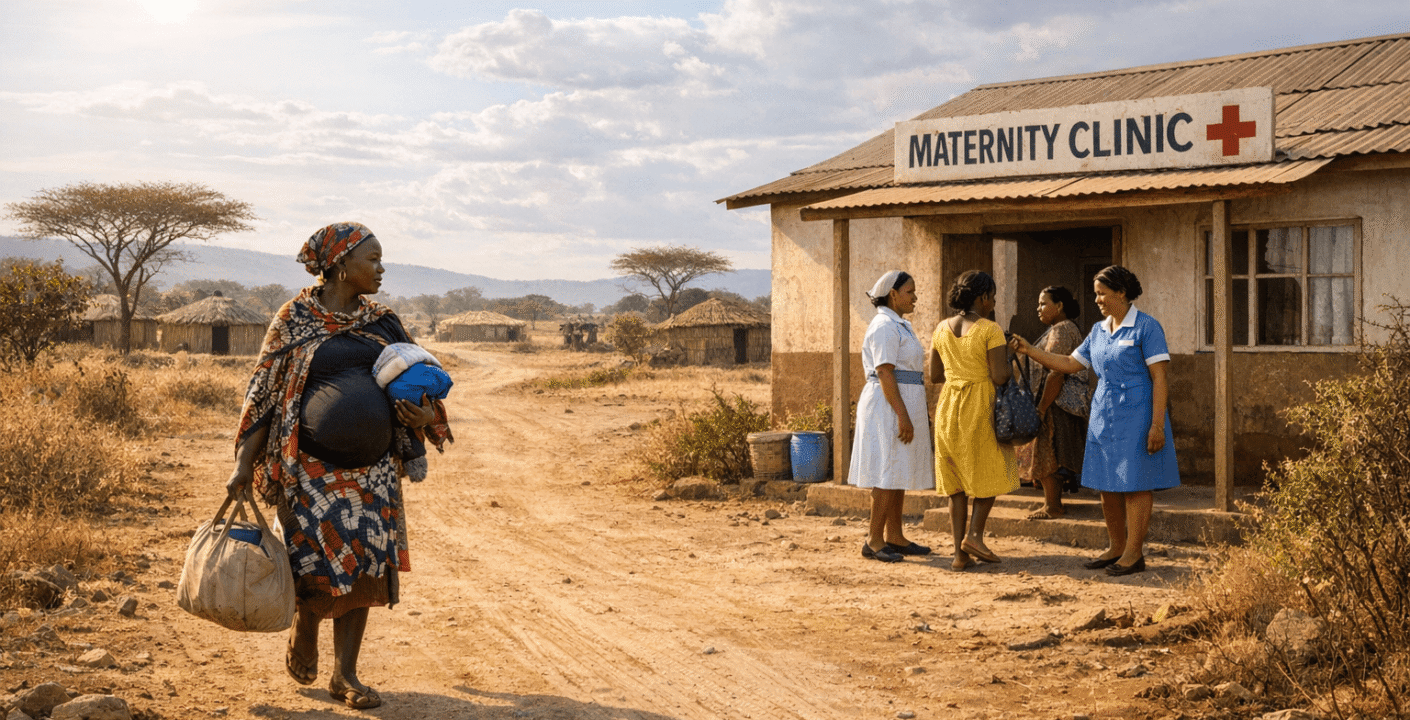
Women in many remote parts of Kenya face significant challenges in reaching medical care during childbirth. In rural regions such as Tana River County, the nearest hospitals or clinics may be several hours away, with travel often on foot or via poorly maintained, unpaved roads. This difficult terrain frequently delays or prevents timely access to healthcare facilities. Transport options are limited, with few motor vehicles available or affordable to families, meaning many expectant mothers must traverse long distances under strenuous conditions. This physical barrier alone severely restricts the ability of women to receive skilled attendance during birth.
Even when health facilities do exist, their sparse distribution across rural landscapes means patients must cover great distances. This travel challenge is compounded by factors such as inclement weather or seasonal flooding, which can make roads impassable. These logistical difficulties remain a major hurdle to improving maternal health outcomes in rural Kenyan communities.
Financial Barriers and Their Effects on Maternal Health
Economic hardship significantly influences whether women seek formal medical care during childbirth. Beyond the physical distance, transportation costs to reach health centres can be prohibitive for many families living on low or unstable incomes. Hiring a vehicle or paying for fuel often costs more than household budgets can accommodate.
Medical fees themselves, despite government efforts to provide free maternity services in public hospitals, may still impose some costs related to supplies, drugs, or unofficial charges that families struggle to meet. This combination of transport expenses and medical fees discourages many from attempting to access health facilities. Consequently, many women resort to giving birth at home without skilled assistance as a means of managing limited financial resources.
These economic constraints contribute directly to poorer maternal and newborn health outcomes, as women who attend formal care during pregnancy and childbirth generally experience lower risks of complications.
Cultural and Workforce Factors Influencing Birth Practices
Cultural traditions in some rural Kenyan communities also play a role in birth practices. In certain regions, strong cultural norms may favour home births assisted by family members or traditional birth attendants rather than hospital deliveries. This preference can be linked to trust issues, privacy concerns, or fears about unfamiliar clinical environments.
Adding to these factors is the shortage of female healthcare workers in remote areas, which can deter women from seeking care. In some cultures, female patients prefer female attendants for childbirth due to modesty and cultural sensitivity. The lack of women staff may discourage women from delivering in health facilities, further limiting access to skilled attendance.
Addressing the Gaps: Maternity Facilities and Safe Birth in Remote Areas
Recognising these barriers, efforts to establish purpose-built maternity facilities in rural regions like Tana River County are increasingly important. These centres improve physical access by being located closer to remote communities, reducing travel time and costs.
Such facilities are designed to provide comprehensive maternal health services, staffed by trained healthcare workers including female nurses and midwives, to address both clinical needs and cultural sensitivities. Their presence helps to bridge the gap caused by distance, financial limitations, and workforce shortages.
Positive impacts have been documented where these rural maternity centres operate, showing reductions in maternal and newborn mortality rates as more women deliver under professional supervision in safer conditions. This approach directly addresses the structural barriers that have kept many women away from formal care in rural Kenya.