
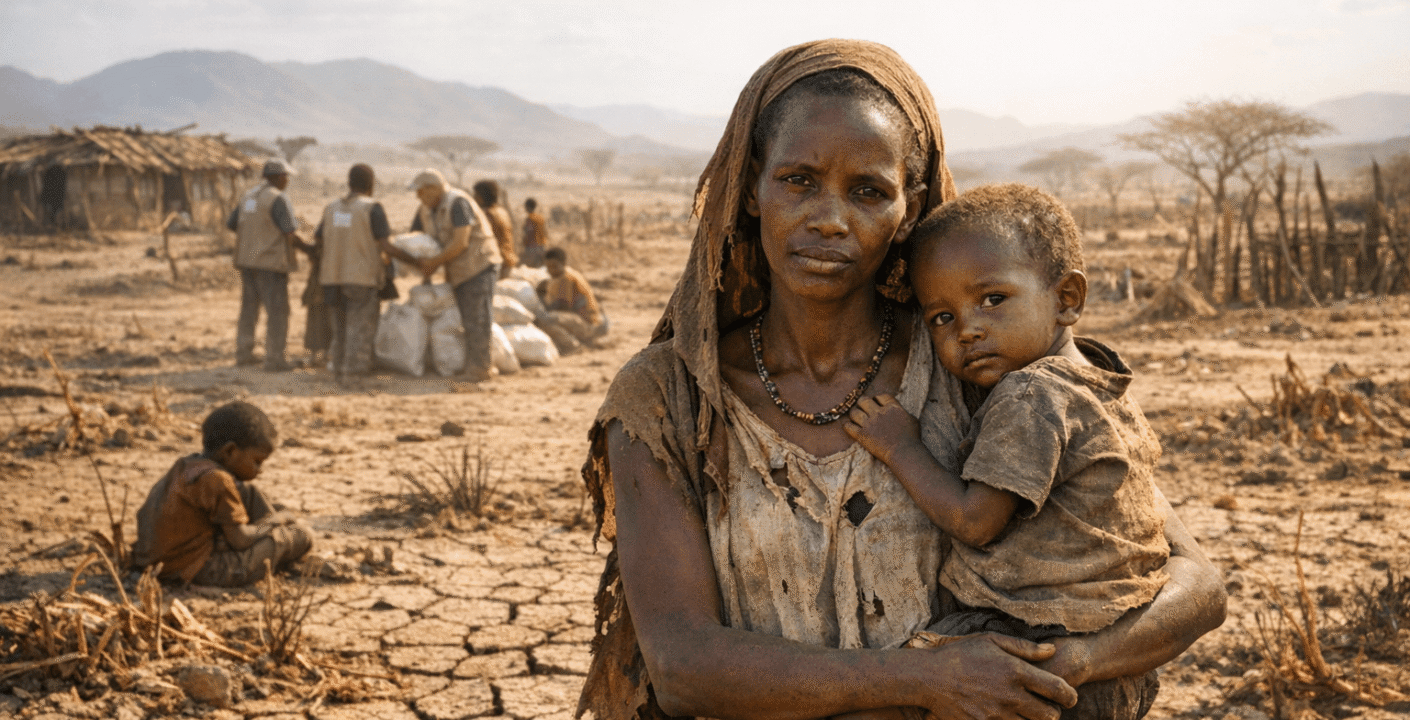
Rising Food Insecurity Hotspots: Current Regions Facing Growing Hunger
In East Africa, countries such as Ethiopia, Somalia, and Kenya are grappling with a combination of drought and ongoing conflicts disrupting farming and food supply lines. The Sahel, a semi-arid zone spanning countries like Burkina Faso, Mali, and Niger, faces persistent food insecurity driven by both environmental stresses and violent conflicts. Meanwhile, parts of South Asia, including Afghanistan, are challenged by political instability alongside economic hardships that threaten food availability and access.
Factors Driving the Crisis: Conflict, Climate, and Economic Strain
Several interlinked factors are contributing to the rise in food insecurity across these underreported regions. Armed conflict remains the dominant driver in many places, destroying crops, displacing populations, and interrupting markets. For example, ongoing violence in the Sahel forces many families to flee their homes, losing access to their usual sources of food and income.
Climate change has intensified droughts, erratic rainfall, and extreme weather patterns, particularly in East Africa and the Sahel. These changes have severely affected agricultural productivity, reducing harvests and raising food prices. Economic difficulties, often exacerbated by global supply chain disruptions, inflation, and currency instability, further limit people’s ability to purchase enough nutritious food.
Combined, these challenges create a cycle of worsening hunger, poverty, and vulnerability that can take years to address sustainably.
Challenges of Donor Fatigue and Media Attention
Many of these crises suffer from a lack of sustained international attention and funding. Donor fatigue is a growing concern, with humanitarian aid budgets stretched thin by multiple concurrent global emergencies. This results in less financial support for ongoing food crises in less visible regions.
Media coverage tends to focus on sudden or high-profile emergencies, while chronic hunger situations receive less attention. This affects public awareness and support, which in turn influences donor contributions. Without adequate funding, humanitarian organisations struggle to deliver sufficient aid to affected communities, leaving severe hunger largely unaddressed.
Food Aid in Action and Organizational Responses
Food aid in these contexts involves a range of practical measures tailored to meet immediate and longer-term nutritional needs. Aid organisations provide food parcels containing staple items such as grains, pulses, and cooking oil, which families can use to prepare meals. In some settings, hot meals are distributed directly, especially for vulnerable groups including children and the elderly.
Nutritional support is critical, particularly for children under five, pregnant women, and breastfeeding mothers who face higher risks of malnutrition. Supplementary feeding programmes and micronutrient-enriched foods help prevent lasting health damage.
Organisations like World Appeal play a vital role in reaching underfunded and often overlooked regions. Working closely with local partners, World Appeal distributes targeted food aid and supports community resilience initiatives designed to improve food security over time. These efforts include emergency food relief alongside nutritional education and support for small-scale agriculture, helping communities navigate the complex challenges they face.