
Understanding Emergency Relief vs. Long-Term Development
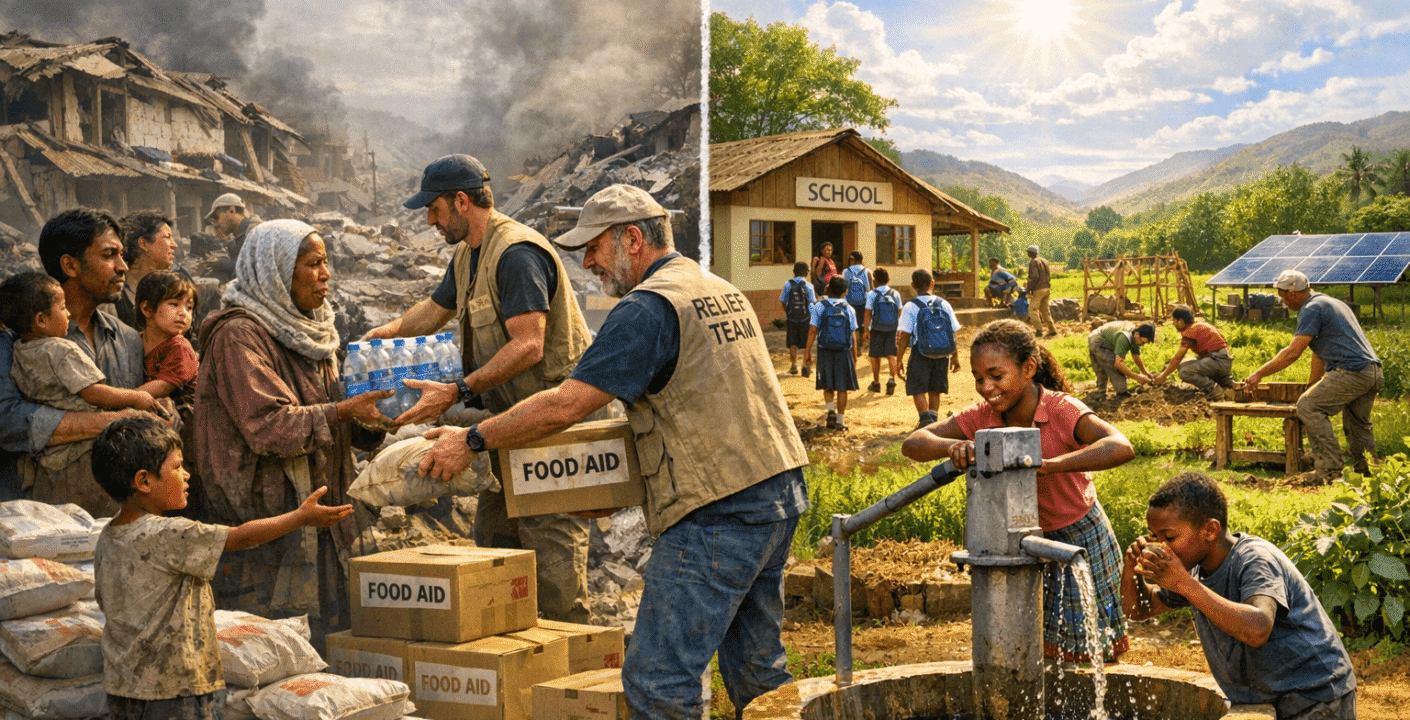
Emergency relief and long-term development play distinct but complementary roles in humanitarian work. Emergency relief focuses on addressing immediate needs during or immediately after crises such as natural disasters, conflicts, or outbreaks. It typically provides essentials like food, water, shelter, and medical care to save lives and alleviate suffering within the first hours or days.
In contrast, long-term development addresses the broader, underlying issues that leave communities vulnerable to recurring crises. This approach supports rebuilding infrastructure, improving health and education, and strengthening local institutions over months and years. While emergency aid is vital for survival, sustainable development creates the foundations for lasting wellbeing and resilience.
Both stages are essential, but countries reliant solely on short-term emergency responses often find themselves trapped in a cycle of vulnerability and dependency. Sustainable development aims to break this cycle by providing communities with the tools and resources to thrive independently.
Examples of Long-Term Projects Making a Difference
World Appeal’s long-term projects highlight how sustainable development benefits whole communities over time. School construction initiatives, for instance, enable children to access education in safe environments, which is crucial for breaking poverty cycles.
Water wells installed in remote villages provide clean water, reducing disease and freeing up time for families who would otherwise travel long distances to collect water. Maternity facilities offer vital healthcare for women and newborns, lowering mortality rates and promoting healthier futures.
The construction of mosques not only meets religious needs but also often serves as a community hub for education and social support. These projects do more than fulfil immediate needs; they improve quality of life and social cohesion for years to come.
The Role of Community Ownership and Local Partnerships
Long-lasting projects depend heavily on the involvement of local communities. When people take ownership of a project, whether a school, water source, or health centre, they are more likely to maintain and protect it beyond the initial funding period.
World Appeal ensures collaboration with local leaders and organisations to tailor projects to genuine community needs and priorities. This approach fosters trust and promotes accountability, so projects remain sustainable.
Local partnerships also allow the transfer of skills and knowledge, empowering communities to manage their development independently and respond to future challenges without outside help.
Why Supporting Both Emergency Aid and Sustainable Development Matters
Emergency relief is crucial during crises, but relying solely on immediate aid risks creating a cycle of dependency, where communities repeatedly face the same vulnerabilities without building resilience.
Donors are encouraged to strike a balance by supporting both urgent relief and long-term infrastructure projects. Immediate aid addresses urgent survival needs, while investment in sustainable development builds stronger, self-reliant communities.
This combined approach helps prevent future emergencies and fosters lasting improvements in health, education, and livelihoods for vulnerable populations. By backing both aspects, donors contribute to humanitarian efforts that not only save lives but also rebuild futures.