
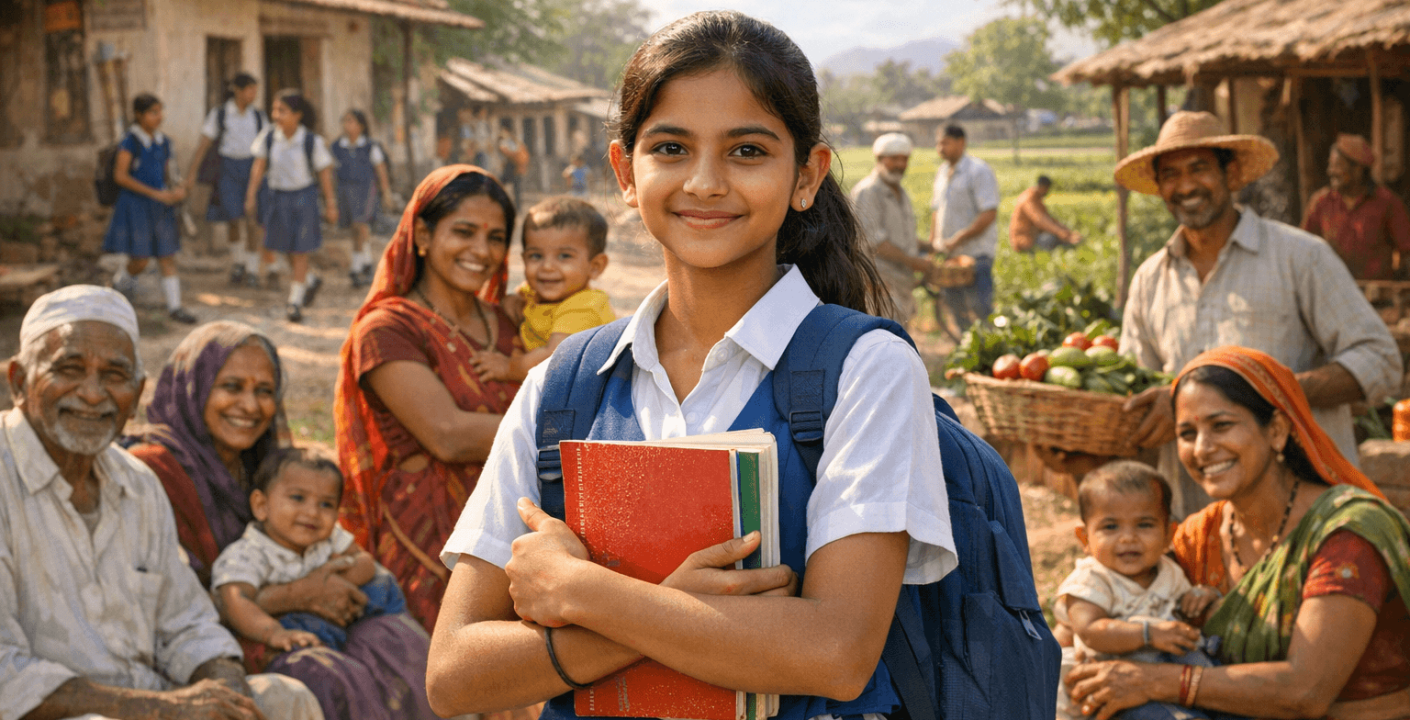
How Educating One Girl Influences Generations
Investing in a girl’s education significantly changes her life and the lives of those around her. Educated girls tend to marry later, which allows them to make more informed choices about their futures. This delay in marriage is linked to better health outcomes for both mother and child. Children born to educated mothers are more likely to survive infancy, receive proper nutrition, and attend school themselves, creating a cycle of positive change.
Furthermore, girls with education often gain skills and confidence that enable them to participate actively in their communities and economies, unlocking their agency rather than merely receiving aid. This empowerment equips them with the tools needed to build healthier families and contribute to social advancement.
The Economic Multiplier of Schooling
Education is not just a personal benefit; it is an investment with one of the highest economic returns available. Evidence shows that each additional year of schooling can increase a girl’s future income by as much as 25%. This multiplier effect extends beyond the individual, generating benefits for families and broader communities by lifting people out of poverty.
Research has consistently found that women’s education plays a crucial role in economic development. The World Bank and other institutions highlight that educating girls yields higher returns compared to many other forms of investment in developing countries. This boost in earnings is a key factor in breaking cycles of poverty and creating sustainable progress.
Community and Societal Benefits Beyond the Individual
When girls are educated, whole communities benefit. Poverty rates decline as women’s income increases, and families tend to reinvest those earnings into education and health care for their children. This ripple effect contributes to improved health outcomes, lower infant mortality, and greater access to opportunities over generations.
Moreover, communities with higher rates of female education demonstrate stronger social cohesion and resilience. Education encourages more informed decision-making and resource management, creating foundations for long-term stability and growth.
Overcoming Barriers to Girls’ Education: Practical Solutions
Despite these clear benefits, many girls face persistent barriers to accessing education. Costs associated with schooling, such as tuition, uniforms, and books, often prevent families from enrolling their daughters. Distance to safe and accessible schools can be a significant hurdle, especially in rural areas. Safety concerns during travel or at school itself, along with cultural expectations favouring early marriage or domestic roles, further limit attendance.
World Appeal addresses these challenges through projects specifically designed to remove obstacles. By providing financial support, improving school infrastructure, and working with communities to shift cultural attitudes, these programmes ensure that education is a reachable and safe prospect for girls. This holistic approach not only gets girls into school but helps them stay enrolled and succeed.
Efforts to overcome barriers align with wider humanitarian goals of promoting dignity and respect, recognising girls as capable individuals whose education unlocks agency and future potential.