
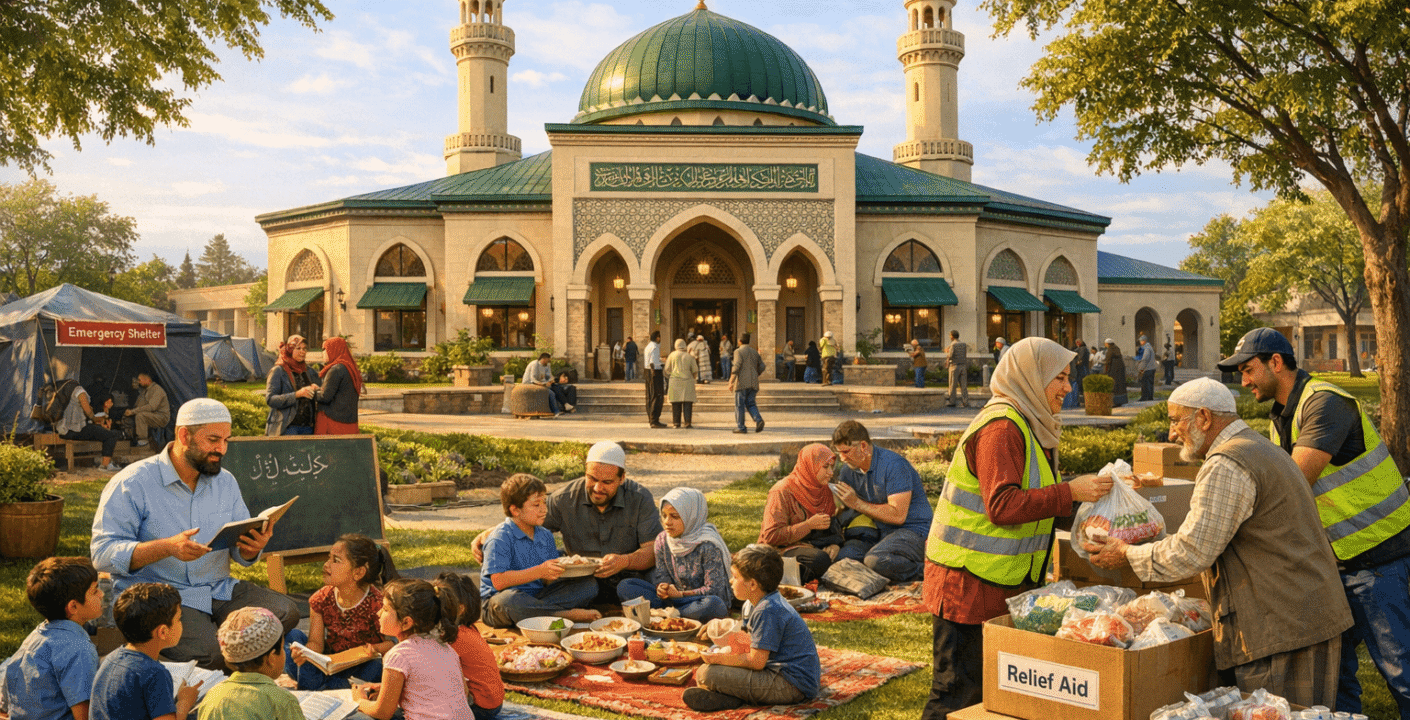
Masjids as Community Anchors: Beyond Prayer
Masjids function far beyond the role of places designated solely for daily prayers. In many underserved communities, they serve as vital centres where education, social support, and communal gatherings take place. These activities foster a strong sense of unity and belonging among community members. Within a masjid, lessons in Islamic teachings and literacy often occur, enabling children and adults alike to engage in lifelong learning. Social programmes, such as support groups or youth activities, provide an accessible space for people to connect and address common challenges together.
These centres become a hub for cultural and social events, where encouragement of brotherhood and sisterhood strengthens social fabric. In this way, the value of a masjid lies not in the physical structure alone, but in the rich human experiences and interactions that happen within its walls.
Masjids Providing Shelter and Safety in Emergencies
In times of crisis, masjids often serve as emergency shelters and places of refuge. For communities facing natural disasters, conflict, or displacement, the masjid provides practical safety and shelter when homes have been damaged or lost. Given their central location and community trust, these spaces quickly transform into vital protection sites offering basic necessities such as food, water, and rest.
The role of the masjid in these situations highlights its importance as more than a spiritual centre: it is a foundational resource in vulnerable areas. Practical support through these facilities can mean the difference between isolation and community-driven recovery.
Spiritual and Emotional Support Within the Masjid
Beyond physical shelter, masjids offer critical spiritual and psychological support, particularly to displaced or vulnerable individuals. The consistent presence of a masjid in a community provides a reassuring anchor amidst uncertainty. Regular attendance and participation in communal prayers, dhikr (remembrance), and counselling sessions within the masjid environment help nurture mental wellbeing and a sense of peace.
For many, the masjid represents stability and hope, offering a space where people can seek comfort and guidance through spiritual connection. This dimension of support plays a significant role in sustaining resilience during periods of hardship and transition.
Real-Life Examples and the Blessings of Building a Masjid
There are numerous examples worldwide where masjid projects have grown into thriving community centres. In some cases, a newly built or restored masjid became the focal point for education initiatives, health services, and community outreach programmes. One such project involved transforming a local masjid into an educational hub offering classes beyond religious instruction, teaching practical skills and literacy to all ages.
Building or supporting a masjid holds special significance in Islam. The Prophet Muhammad (Peace Be Upon Him) said that building a house of worship grants continuous rewards for the benefactors. This spiritual blessing complements the tangible community benefits, making the effort to establish or maintain masjids a deeply meaningful contribution.