
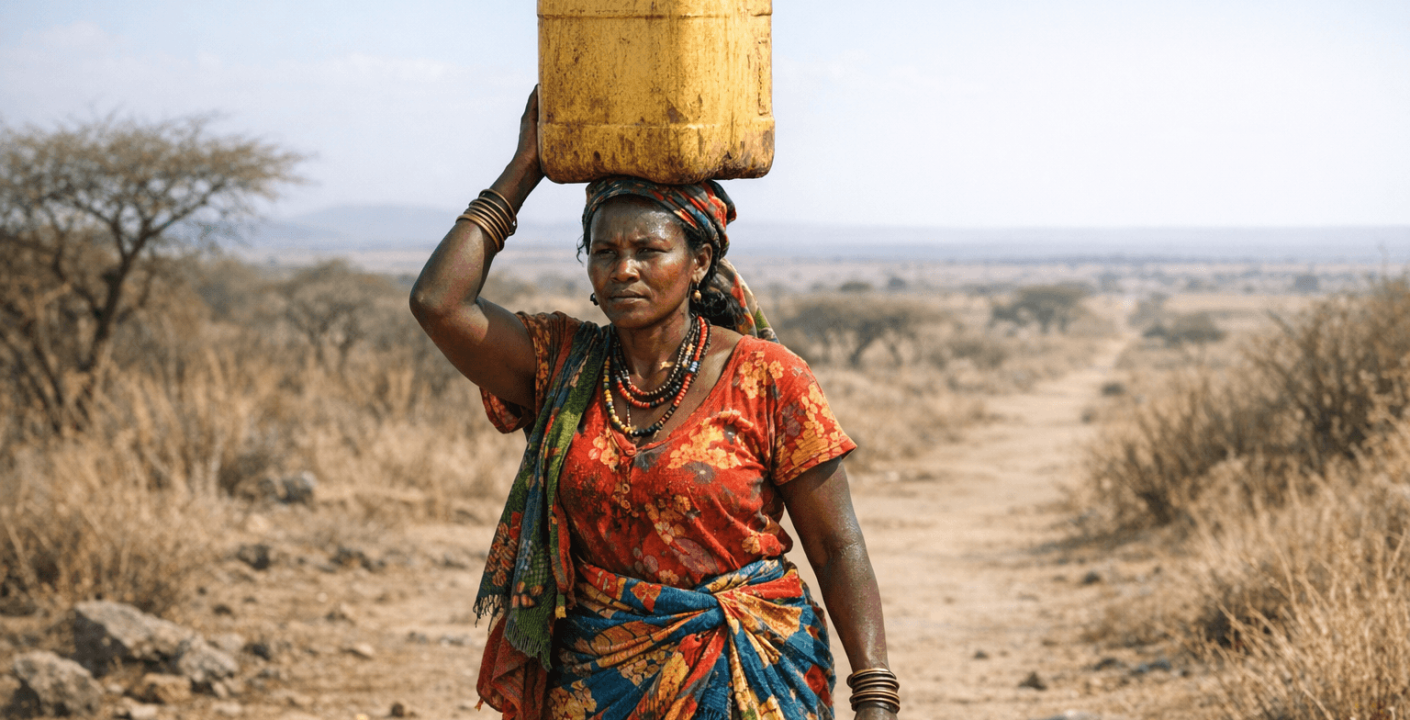
The Daily Water Collection Burden on Women and Girls
Across many remote communities, women and girls bear the responsibility of collecting water, often spending several hours each day walking to distant water sources. This task, critical for daily survival, significantly cuts into time that could otherwise be spent on education, income-generating activities, or rest. A report from UN Water reveals that women and girls are responsible for water collection in 8 out of 10 households that do not have water on premises. Globally, they spend an estimated 200 million hours daily on this activity. The sheer length of these daily journeys, compounded by the time needed to queue for water, leaves little time for other pursuits that could improve their quality of life and economic status. This structural burden highlights a broader issue of water insecurity disproportionately impacting women and girls in rural areas, restricting their opportunities for personal and community development.Source: Well Aware
Safety and Physical Challenges of Water Collection
The risks associated with collecting water extend beyond time lost. The routes to water sources are frequently long and isolated, exposing women and girls to safety dangers including the risk of assault. This heightens anxiety and stress, adding to the pressures already faced by these communities. In addition to safety concerns, the physical toll is considerable. Carrying heavy 20-litre jerrycans over long distances demands strength and endurance, often leading to chronic pain and longer-term health problems. The cumulative effect of these challenges can have serious impacts on women’s well-being, further limiting their ability to participate fully in education or employment.
How Local Water Sources Transform Communities
The installation of local water sources such as wells or hand pumps has a transformative effect on these communities. When water is available close to home, the hours previously spent collecting water are returned to women and girls, enabling them to pursue schooling, childcare, and small business ventures. The proximity of safe, reliable water supplies reduces the physical strain and safety risks associated with collection, fostering a healthier and more secure environment. This change not only supports individual wellbeing but also benefits the wider community through improved education levels and economic activity. The arrival of a functioning water source is thus a foundational improvement that supports overall community development and resilience.Source: World Appeal
Water Projects as Catalysts for Women’s Empowerment
Improving access to water is more than a matter of convenience; it is fundamentally linked to women’s empowerment. By removing the daily burden of water collection, these projects open up opportunities for women and girls to engage more fully in education and livelihoods. Access to nearby clean water can reduce dependency and increase autonomy, making it easier for women to participate in community decision-making and economic activities. Water initiatives thus serve as practical interventions that address gender disparity by shifting time and effort away from survival tasks towards growth and leadership. In this way, water projects can become cornerstone investments in the social and economic empowerment of women in rural communities.