
Major Causes of Maternal and Newborn Deaths in Remote Areas
Newborn mortality in these areas is primarily caused by birth asphyxia, infection, and complications related to prematurity. Birth asphyxia occurs when a baby does not receive enough oxygen during birth, which can cause irreversible damage or death. Infections such as sepsis can be devastating in settings with limited access to sterile delivery conditions. Prematurity, where babies are born too early, often leads to complications due to underdeveloped organs and the need for specialised care.
How Safe Delivery Spaces Reduce Mortality Risks
Safe delivery spaces are vital in reducing deaths by providing clean water, basic delivery equipment, and trained medical staff. Access to clean water reduces infection risk and enables hygienic conditions during childbirth. Basic equipment, including resuscitation kits to assist newborns who struggle to breathe, oxygen concentrators for respiratory support, and sterile supplies to prevent infections, ensures safe deliveries. Importantly, trained health workers, such as nurses and midwives, are essential to monitor both mothers and babies and respond effectively to complications that may arise during labour and delivery.
Facilities equipped with these essentials can detect and manage life-threatening conditions early, significantly reducing both maternal and newborn mortality. The presence of trained staff enables interventions such as administering medication for pre-eclampsia, performing manual removal of obstructions, and providing timely resuscitation for newborns.
Comparing Birth Settings: Home Births vs. Staffed Facility Births
Births occurring at home without professional support carry significantly higher risks. Without trained attendants, complications such as haemorrhage or birth asphyxia often go unnoticed or unmanaged, resulting in preventable deaths. Additionally, sterile conditions at home are generally lacking, increasing the risk of infection for mother and child.
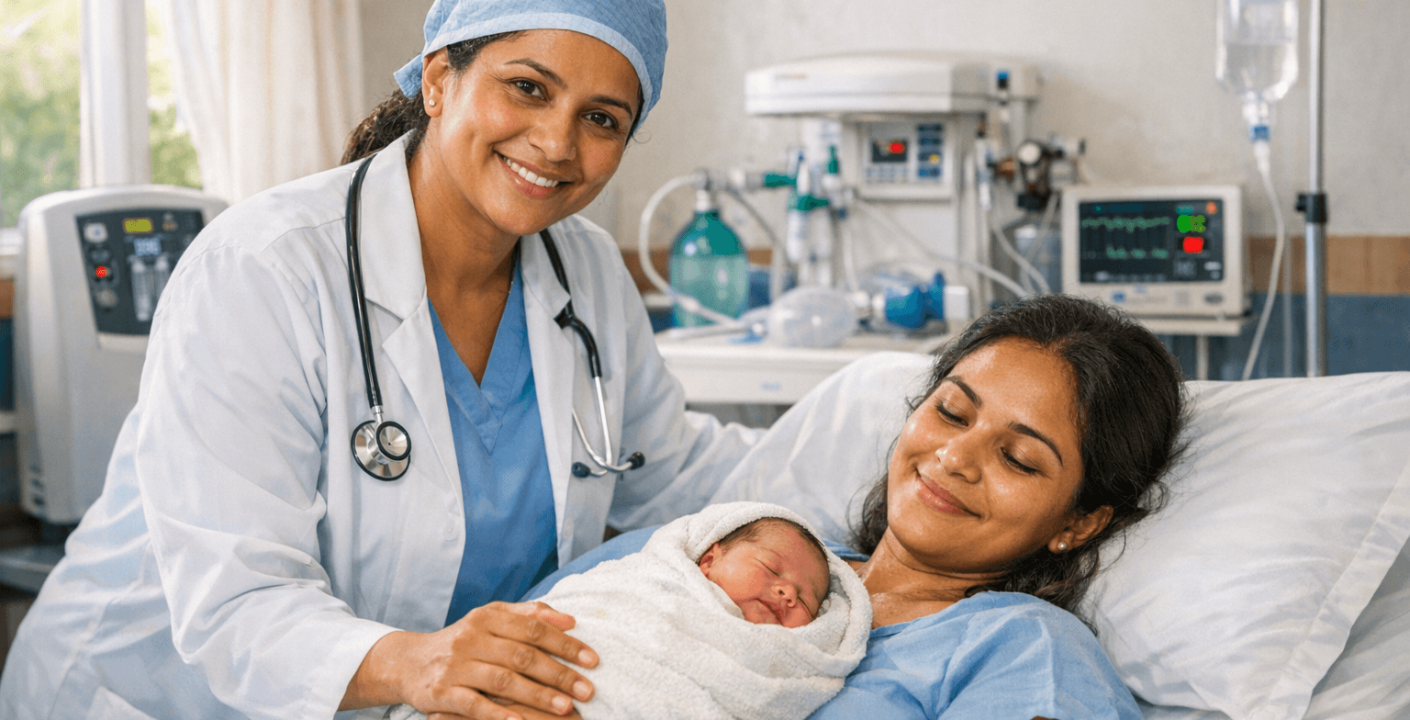
In contrast, delivery in a staffed facility with trained nurses ensures access to skilled care. Staff can monitor the progress of labour, identify complications early, and provide immediate life-saving treatment. For instance, if a newborn fails to breathe, a nurse can use a resuscitation kit to stimulate breathing. In cases of maternal haemorrhage, interventions to stop bleeding can be applied promptly. This level of care drastically improves survival chances for both mother and baby.
The Value of Investing in Maternal Health
Investing in safe delivery spaces is one of the most cost-effective strategies in global health. The costs involved in equipping facilities and training staff are outweighed by the significant reductions in maternal and newborn deaths. Improved maternal health also benefits wider communities, reducing the social and economic burdens that arise from the loss of mothers and infants.
Reduced mortality contributes to stronger families and healthier future generations. Prevention of complications through better delivery conditions decreases the need for expensive emergency treatments and long-term care for surviving infants affected by complications at birth.
Overall, by prioritising maternal health through safe delivery spaces, global health initiatives achieve broad and sustainable impact, ensuring mothers and babies have the best possible start in life.